

 Facebook
 X
X
 Pinterest
 Copy Link
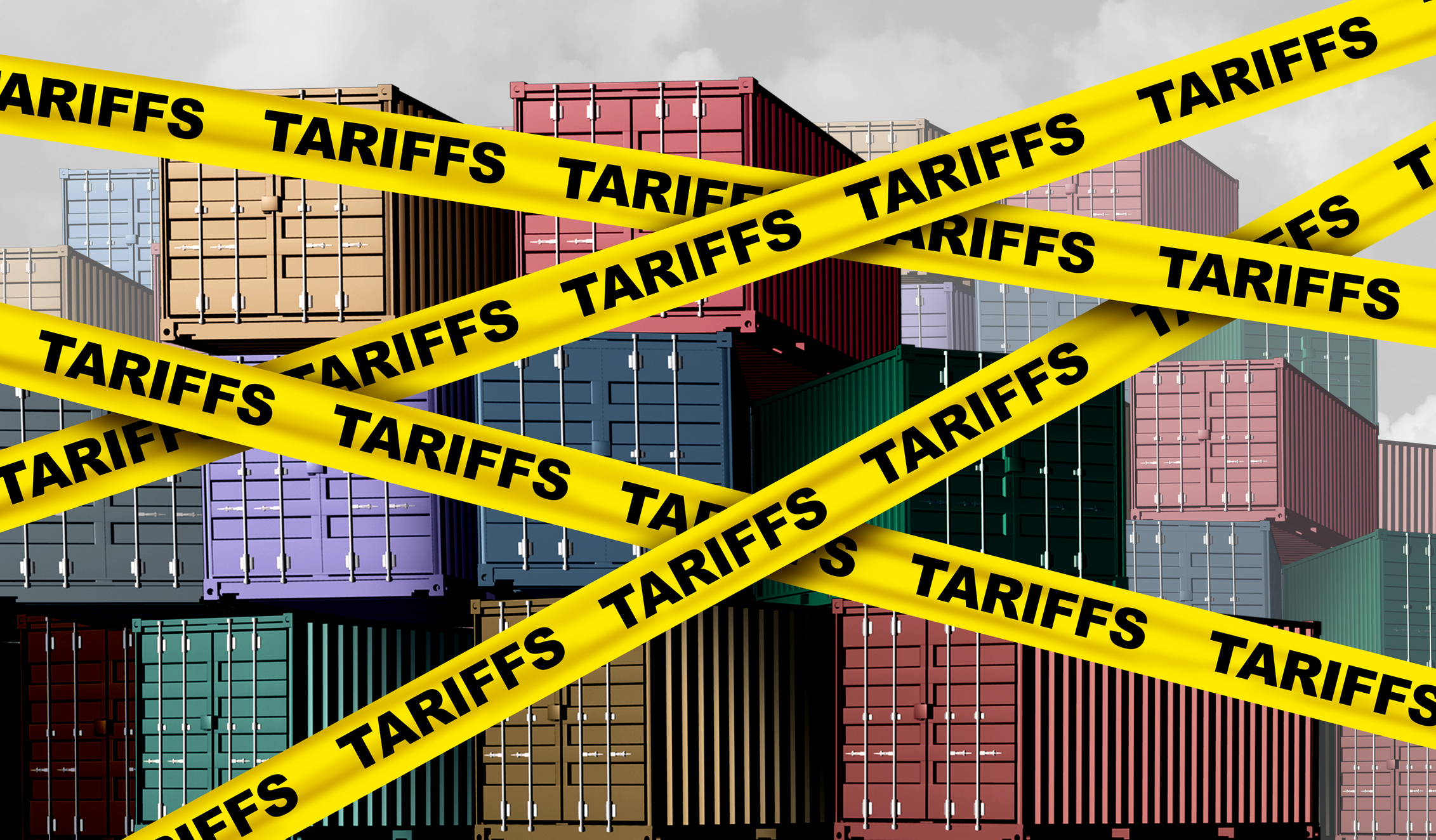
If you’ve noticed your holiday cart total creeping up faster than a teenager’s screen time, you’re not imagining things. With fresh chatter out of D.C. about new tariffs on imported goods, the timing couldn’t be worse for shoppers riding the Black Friday high. Trade policy is suddenly the main character of holiday shopping season — and yes, it can hit your wallet.
Let’s break down what’s happening, why it matters, and how to shop smarter before the reindeer even get harnessed.
Tariffs 101 (A Quick, No-B.S. Breakdown)
Tariffs are basically taxes the government slaps on goods coming into the country. Politicians call it “leveling the playing field.” Consumers call it “my holiday budget just spontaneously combusted.”
Here’s the simple cause-and-effect:
- Import gets taxed
- Retailer pays more
- Retailer shrugs and passes the cost to… guess who?
- You, the shopper
So when Washington starts wagging fingers at foreign imports — toys, electronics, clothing, home goods — prices don’t politely wait until January to go up.
Why This Is Hitting Right Now
Talk of new U.S. trade measures heated up right as retailers were preparing for their biggest sales push of the year. E-commerce brands especially feel the impact because:
- Many rely heavily on overseas manufacturing
- Shipping costs are already elevated
- Inventory for holiday sales is often ordered months in advance
When tariff talk ramps up, retailers adjust fast. And “adjust” is corporate-speak for “brace yourselves, price tags are about to get bolder.”
What This Means for Holiday Gift Prices
Expect certain categories to be more affected than others. The big ones:
🎁 Electronics
Phones, tablets, gaming systems — anything with a circuit board. Even small percentage increases can turn into $20–$80 more per item.
🧸 Toys
Most major toy brands manufacture overseas, so that adorable talking unicorn might cost more than your first car’s down payment (slight exaggeration… but only slight).
👚 Apparel
Fast fashion? More like fast inflation. If it’s imported, expect sticker shock.
🏠 Home Goods
Kitchen gadgets, décor, tools, accessories — lots of these ride the import wave.
If you’re thinking, “Well, maybe this won’t affect my gifts,” here’s a reality check: It probably will. But don’t panic yet.
Smart Shopper Moves to Beat the Tariff Squeeze
This is where you get to flex your savvy side. A few well-timed strategies can save you real money:
1. Buy sooner rather than later
Prices are more likely to rise than fall as tariff news solidifies. Waiting for last-minute deals this year is like waiting for your packages to arrive “on time” during a UPS strike — bold, but misguided.
2. Compare domestic vs. imported
Some brands manufacture in the U.S. or Mexico. They may end up being cheaper once tariffs kick in.
3. Lean into gift cards
Not glamorous, but always the right size, color, and budget protector. Plus, no tariff drama.
4. Look for alternate brands
Shoppers tend to cling to the same handful of labels. Cast a wider net — smaller brands often keep prices steadier.
5. Watch for retailer price adjustments
Some big stores quietly match lower prices if something drops later. Screenshot everything like the digital detective you were born to be.
Bottom Line
New tariff talk couldn’t have picked a more chaotic time to show up — right when Americans are filling carts, checking lists twice, and pretending budgets are optional. But understanding how these policies ripple through retail helps you stay ahead of the curve instead of getting steamrolled by it.
With a little strategy, you can still get great gifts without sacrificing your financial sanity. Trade wars might be messy, but your holiday shopping doesn’t have to be.


