BuyersSellers November 17, 2025

The 50-Year Mortgage: Smart Innovation or Trouble Waiting to Happen?


Every few years, the housing world tosses a new “solution” into the ring — and lately, the buzz is all about the potential arrival of the 50-year mortgage.
Yep… five-zero. Because apparently 30 years of payments just wasn’t enough cardio.

But behind the headlines and hot takes, there are real implications for buyers, sellers, and the overall market — especially here in Los Angeles and Ventura counties where affordability is the name of the game.

Let’s break down the good, the bad, and the “are we sure about this?”


Why a 50-Year Mortgage Is Even on the Table

Housing affordability has been stretched thinner than a Hollywood studio budget. Prices are high, interest rates are stubborn, and incomes aren’t exactly sprinting ahead. Extending the mortgage term is one way lenders could reduce monthly payments enough to get more buyers qualified — at least on paper.


THE PROS

1. Lower Monthly Payments

This is the headliner. Stretching the term to 50 years spreads the debt over a longer timeline, bringing down the monthly payment.
For first-time buyers, this could be the only path through the door — especially in high-cost markets like ours.

2. Improved Affordability (Sort Of)

If a buyer can finally qualify for that West Hills condo or Woodland Hills starter home, that’s a win. But it’s more “optical affordability” than true affordability. Still, it opens doors that might otherwise stay locked.

3. Potential Market Boost

More qualified buyers = more demand. Sellers could see stronger activity, especially at entry-level price points. In markets that have felt the sting of higher rates, this could be a shot of adrenaline.


THE CONS

1. You’ll Pay A Lot More Over Time

Let’s not sugar-coat it:
A 50-year term means dramatically more interest paid — possibly hundreds of thousands more. You get a smaller payment, but the trade-off is huge.

2. Slower Equity Growth

With such a long amortization schedule, early payments barely touch the principal.
Translation: it’ll feel like watching paint dry — except the paint is your equity.

3. Risk of Inflating Home Prices Even More

If more buyers suddenly “qualify,” price pressure goes up. And in markets already fighting affordability issues, this could pour gasoline on the fire.

4. Multi-Generational Debt?

Most people don’t want a mortgage that outlives their dog… let alone their career. A 50-year mortgage can easily stretch beyond retirement, which is far from ideal financial planning.


WHO BENEFITS MOST?

Buyers who plan to:

  • Stay long-term
  • Prioritize monthly payment over total cost
  • Invest extra money elsewhere at a higher return

Sellers might benefit from:

  • A larger buyer pool
  • Increased demand in price-sensitive segments
  • A possible bump in property values

But buyers looking to build equity fast?
This loan is not their friend.


SO… IS A 50-YEAR MORTGAGE A GOOD IDEA?

Like most things in real estate, it depends.

For some buyers, it’ll be a life raft.
For others, it’ll be a slow financial leak disguised as a great deal.

If it does hit the mainstream, the smart move will be to compare the monthly savings against the long-term cost — and weigh that against your lifestyle, timeline, and financial game plan.


FINAL THOUGHTS

In markets like LA and Ventura counties, where affordability is a constant battle, the 50-year mortgage will absolutely attract attention. But it shouldn’t be treated as a magic fix. It’s a tool — one that needs to be used carefully, strategically, and with a clear understanding of the long game.

If you want a personalized breakdown of how a 50-year mortgage could affect your buying or selling strategy here in the area, I’m always happy to walk you through the numbers.

Just say the word.

BuyersSellers November 14, 2025

U.S. Home Foreclosures Are Rising in 2025 — Red Flag or Normal Market Reset?


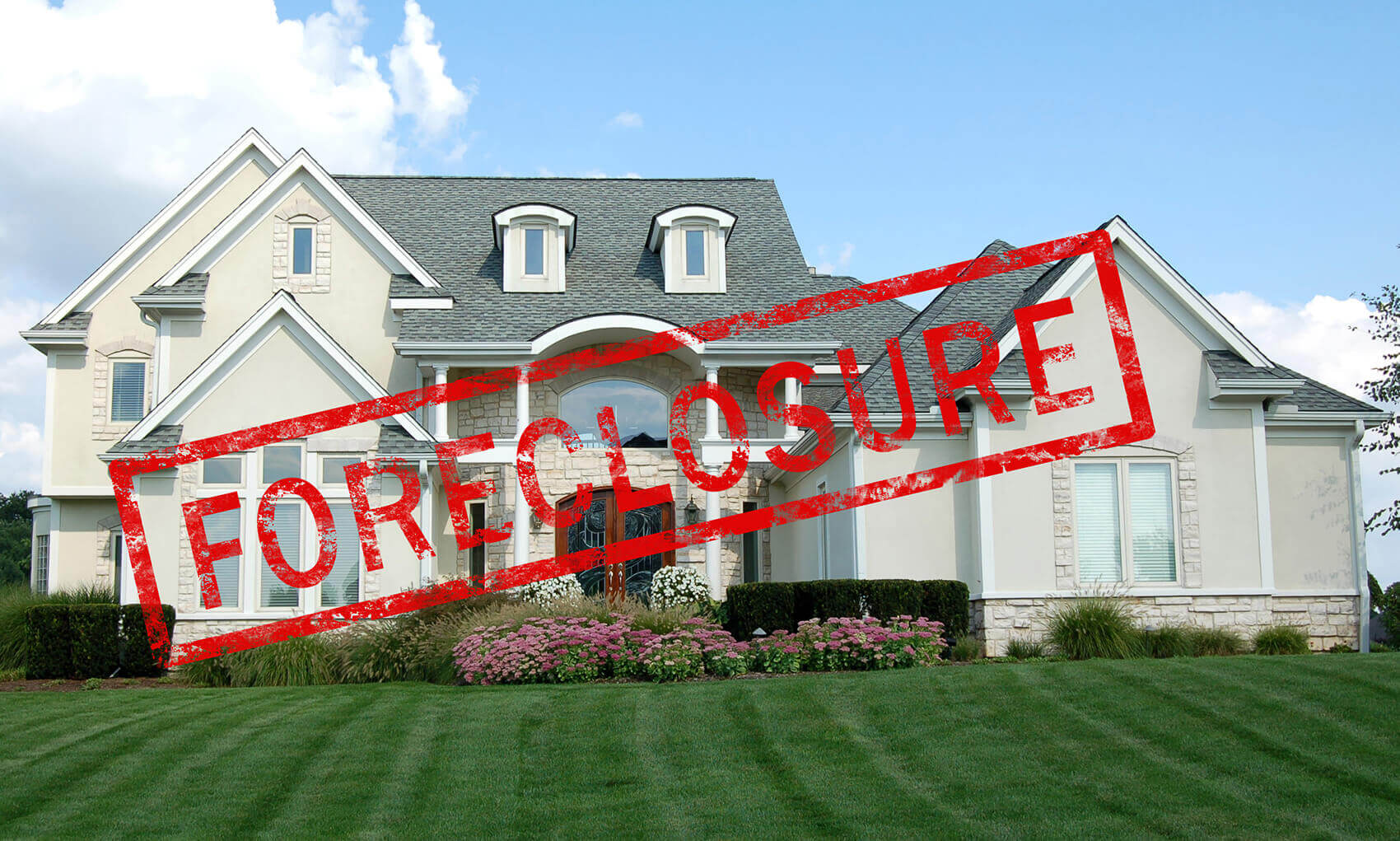
Foreclosures are climbing again in 2025 — and depending on who you ask, this is either a long-overdue return to normal or the first rumble before a storm. As of November 14th, national foreclosure filings have risen for eight straight months, up roughly 20% year-over-year, and pushing closer to pre-pandemic norms.

No, this isn’t 2008 all over again. We’re nowhere near the “1 in every 45 homes” freefall that defined the last major crisis. But ignoring what’s happening now would be like ignoring a smoke alarm because the house isn’t on fire — yet.

Homeowners are feeling the squeeze from every direction: inflation, sticky mortgage rates, insurance premiums in meltdown mode, and job softness in big metros. Put that together, and the uptick isn’t surprising — but what’s surprising is where it’s hitting the hardest.

Let’s break it down.


The Big Picture: What the Numbers Say

National foreclosure activity — which includes starts, auctions, and bank repossessions — continues to climb in 2025. Recent data shows:

  • October 2025: ~28,000 filings, rates around 1 in 3,871 homes
  • September 2025: 35,602 filings, the eighth straight month of increases
  • Q3 2025: Roughly 105,000 filings
  • First Half 2025: ~140,000 foreclosure starts
  • Q1 2025: 93,953 total filings; repossessions up 8%

The biggest driver? Foreclosure starts, which jumped 20% year-over-year in October. That’s the first official page of the foreclosure book — meaning more households are slipping behind early in the process.

The good news: homeowners still hold, on average, over $300,000 in equity. That equity has been absorbing a lot of shock. The caution flag: equity only protects those who have it, and FHA/VA borrowers — often with thinner margins — now make up over half of all serious delinquencies.


Where Trouble Is Growing the Fastest

Foreclosure pressure isn’t evenly distributed. It’s hitting hardest in states battling affordability issues, natural disaster insurance chaos, or economic instability:

Top 5 States With the Highest Foreclosure Rates

  1. Florida – 1 in ~2,200 homes
    Insurance premiums are up 40%+, and hurricane losses aren’t helping.
  2. Delaware – 1 in ~2,300
    High property taxes + tight affordability = trouble.
  3. Nevada – 1 in ~2,400
    Tourism swings are rippling into household budgets.
  4. South Carolina – 1 in ~2,500
    Insurance spikes along the coast; Columbia is a major hotspot.
  5. Illinois – 1 in ~2,600
    Chicago’s foreclosure pace remains elevated.

Hardest-Hit Metros

  • Lakeland, FL – 1 in 654
  • Columbia, SC – 1 in 694
  • Palm Bay, FL – 1 in 716
  • Bakersfield, CA – 1 in 720
  • Cleveland, OH – 1 in 721

Texas, Florida, and California still dominate the raw numbers simply because of size — but the per-unit trouble spots say more about underlying risks.


What’s Causing the Rise?

This isn’t random — and it isn’t a mystery. Several forces have been piling up:

  • Mortgage rate shock as ARMs reset from pandemic-era lows
  • Insurance premiums exploding, especially in coastal states
  • Inflation and rising consumer debt, which leave less buffer for emergencies
  • Job softness in construction, retail, hospitality
  • Equity gaps hitting FHA/VA borrowers disproportionately
  • Unwinding of COVID-era forbearances

Throw in ongoing policy debates around extended-term mortgages and we’ve got a cocktail that’s spooking economists — even if it hasn’t spilled over into a crisis.


What This Means Going Forward

Forecasts call for a 10–15% increase in foreclosure activity through 2026, assuming rates stay near today’s levels. A recession? That could double the pace.

For now, we’re seeing:

  • More “zombie foreclosures” (vacant, stuck in limbo)
  • More inventory from distressed sales — potentially softening prices in hotspots
  • More buyers jumping on discounted properties
  • More renters getting displaced

It’s a confusing time, but also an opportunistic one — depending on which side of the table you’re sitting on.


Final Take

The U.S. housing market isn’t falling apart, but it is shifting. We’re in a period where high rates, inflation, and insurance volatility are reshaping affordability and nudging more households into distress.

The question isn’t “Is this 2008 again?”
The question is “Who’s prepared — and who isn’t?”


Your Turn — Let’s Talk About It

Foreclosure trends touch everyone: buyers, sellers, investors, and homeowners trying to keep the lights on.

👉 What’s your take?
Are these rising numbers just the market normalizing — or do they feel like early warning signs?

👉 Have you noticed distress in your local market?
Tell me where you’re seeing pressure.

👉 Want data specific to your city or county?
Drop a comment and I’ll break it down.

Your insights help shape future posts — and your questions help others navigate this shifting market. Jump in below!

BuyersSellers November 12, 2025

How to Survive Thanksgiving Without a Political Food Fight

Thanksgiving should be about gratitude, family, and good food — not verbal sparring matches over the stuffing. Yet in homes across the country, politics seem to sneak in like an uninvited side dish.

If you’re feeling that pre-holiday tension, you’re not alone. Surveys show more Americans are anxious about Thanksgiving gatherings because of political disagreements. The table’s set, but everyone’s quietly wondering who’s going to bring up the election first.

Here’s the good news — it doesn’t have to be that way. With a few intentional choices, you can keep the focus where it belongs: connection, laughter, and yes, pie.


1. Make It a Politics-Free Zone

If you’re hosting, set the tone early. A quick, friendly note like “Let’s give politics the day off — we’ve earned a break” goes a long way. Thanksgiving isn’t the place for debates — it’s for carbs and gratitude.


2. Keep the Conversation Light

When in doubt, steer things toward neutral ground:

  • “What’s the best meal you’ve had this year?”

  • “If you could teleport anywhere after dinner, where would you go?”

  • “What’s your funniest Thanksgiving memory?”
    Everyone relaxes when the talk shifts from opinions to stories.


3. Strategize the Seating

If your family includes a few “passionate debaters,” seat them far enough apart to keep the peace. Mix talkative folks with listeners, storytellers with the quieter types — balance is your friend.


4. Moderate the Pour

We all know liquid courage can turn into verbal chaos. Keep the drinks steady, not bottomless, and make sure everyone’s got enough to eat. A satisfied stomach beats an agitated ego every time.


5. Bring It Back to Gratitude

At its core, Thanksgiving is about appreciation — for family, for food, for another trip around the sun. Try going around the table and asking everyone to share one thing they’re thankful for. It’s simple, but powerful.


6. Have an Exit Strategy

If things start to heat up anyway, shift gears: take a walk, play a game, or cue up a favorite movie. A little distraction can save the day.


The Takeaway

You can’t control every personality in the room, but you can control the atmosphere. Lead with humor, keep things light, and focus on what unites you — not what divides you.

Because at the end of the day, Thanksgiving isn’t about proving a point. It’s about enjoying the people you love… and maybe snagging that last piece of pie before anyone else notices.

BuyersSellers November 10, 2025

A Heartfelt Thank You to the Kroenke Team for the Warner Center Vision


A Bold Vision Taking Shape in the Valley

The San Fernando Valley is about to shine brighter than ever — and we have the Kroenke Organization team to thank for that. Their commitment to transforming the Warner Center into a dynamic, mixed-use community shows the kind of vision that defines a generation.

With the 52-acre “Rams Village at Warner Center” project — anchored by the Los Angeles Rams headquarters, training facility, retail, residential, and nine acres of public open space — Kroenke isn’t just developing land; they’re creating opportunity, identity, and long-term community value.


Building More Than Structures — Building Community

As someone who’s worked this market for decades, I’ve seen plenty of projects come and go. But this one stands apart. It’s smart. It’s intentional. And it aligns perfectly with the Warner Center 2035 Plan — promoting a live, work, and play environment the Valley has been waiting for.

The collaboration with global architecture firm Gensler ensures the project not only looks exceptional but lives well — integrating public space, sustainable design, and timeless architecture that brings people together.


The Ripple Effect for Our Local Market

For Los Angeles and Ventura County real estate, this is a game-changer.
When developments like this take root, we see:

  • Increased property demand and values in surrounding neighborhoods
  • Expanded job opportunities and local economic strength
  • Renewed community pride and revitalization

It’s an exciting time to live and invest in the Valley — and I, for one, can’t wait to see it unfold.


Gratitude to the Kroenke Organization

To the leadership, architects, planners, and every hand shaping this vision — thank you. Your dedication to thoughtful development and long-term impact does not go unnoticed.

You’re not just building for today; you’re building a legacy that will benefit generations of Valley residents.


In Closing

From all of us here at Century 21 Valley Properties, we extend our gratitude and full support. The Warner Center project is a milestone moment for our community — and a sign that the best days for the Valley are still ahead.

If you’d like a detailed breakdown of how this project could influence home values or investment potential in the area, I’d be glad to provide insight.

Here’s to smart growth, strong communities, and a bright future ahead.

Warm regards,
Anthony Guetzoian
Broker/Owner | Century 21 Valley Properties
📞 818.266.1100

🌐 www.C21ValleyProperties.com

Buyers November 7, 2025

Buyers: Don’t Wait for Rates to Drop — Wait for the Right Property

Every week, I hear it: “We’re waiting until rates drop.”
And I get it — mortgage rates have been a roller coaster, and no one wants to overpay. But here’s the thing… when rates do drop, the competition explodes. Suddenly, you’re not just buying a home — you’re battling ten offers for it.

The reality? The best time to buy isn’t when rates fall — it’s when the right property becomes available.

Rates can always be refinanced. But that perfect house in that perfect neighborhood? Once it’s gone, it’s gone.

And here’s what most buyers miss: when rates are higher, you have negotiating power — fewer bidding wars, more seller flexibility, and often better terms.

Smart buyers use this window to find the home they love and then refinance later when the market shifts. The ones who wait for rates to drop? They end up paying more for the same house when demand spikes again.

So if you’re sitting on the sidelines, consider this your nudge. The opportunity isn’t in chasing rates — it’s in recognizing value before the crowd does.


Anthony Guetzoian
Broker/Owner, Century 21 Valley Properties
📞 818.266.1100 | Helping LA & Ventura buyers and sellers succeed for over 30 years
BuyersSellers November 5, 2025

What Falling Inflation Means for Home Prices and Interest Rates

If you’ve been waiting for the real estate market to give you a clear signal—this might be it.
Recent reports show inflation is finally cooling faster than expected, and that’s creating a ripple effect across everything from mortgage rates to home prices. But before anyone pops champagne or hits the panic button, let’s talk about what this actually means for our local market here in Los Angeles and Ventura Counties.

1. Lower Inflation = A More Predictable Market

For the past couple of years, inflation’s been the wild card keeping interest rates high and buyers cautious. Now that inflation is trending down, the Federal Reserve has less pressure to keep rates elevated.
Translation: We’re likely to see mortgage rates gradually dip—not overnight, but enough to get the attention of buyers who’ve been sitting on the sidelines.

2. For Buyers: The Window’s Opening, But Don’t Wait for “Perfect”

Falling inflation can help nudge mortgage rates lower, but here’s the catch—when rates drop, competition spikes. Every buyer who’s been waiting for “better timing” tends to jump in at once. That means homes start moving faster and prices edge up.
If you’re serious about buying, it might be smarter to lock in before the crowd rather than waiting for rates to hit rock bottom (because by then, prices may already have climbed).

3. For Sellers: A Shift Back in Your Favor

Lower rates mean a bigger buyer pool—and that’s great news if you’re thinking about selling. We’re already seeing more showing activity and a slight bump in pending sales across parts of the LA–Ventura corridor.
That said, strategic pricing still matters. Today’s buyers are informed and rate-sensitive, so even as demand picks up, homes that show well and are priced right continue to sell faster and closer to list price.

4. Locally Speaking…

Our market isn’t like the national headlines. Here in West Hills, Woodland Hills, Calabasas, Agoura, Thousand Oaks, and Westlake Village, we’re seeing price stability with a gentle upward trend—especially for turnkey homes in prime neighborhoods.
Inventory remains tight, and that’s helping to keep prices firm even as rates fluctuate.

5. The Bottom Line

Falling inflation is finally giving the market room to breathe. For buyers, it’s a sign that opportunity is coming back into focus. For sellers, it’s a reminder that pent-up demand is ready to re-enter the market.
In other words—this could be the moment both sides have been waiting for.

If you’re wondering how this shift impacts your specific neighborhood or price range, let’s talk. I can help you determine what makes sense for your timing and goals.

Anthony Guetzoian
Broker/Owner – Century 21 Valley Properties
Local Expert | 30+ Years of Experience
📞 818.266.1100

BuyersSellers October 31, 2025

🎃 The History of Halloween — and Why It’s Still So Magical in Our Neighborhoods

Every year on October 31st, our Los Angeles and Ventura County neighborhoods transform — front lawns turn into haunted houses, pumpkins glow from porches, and streets fill with kids in costume, sugar-fueled and fearless. But how did Halloween become this incredible community celebration we all know and love?

Let’s take a quick (and slightly spooky) journey through history to see how an ancient ritual turned into one of the most neighborly nights of the year.

👻 From the Celts to the Suburbs

Halloween’s roots go back over 2,000 years to the ancient Celtic festival of Samhain (pronounced sow-in), which marked the end of harvest and the beginning of winter. The Celts believed that on October 31st, the barrier between the living and the dead blurred — so they dressed up in animal skins and lit bonfires to keep spirits at bay.

Fast forward a couple of millennia, and while the animal skins have (thankfully) been replaced by superheroes and princesses, the spirit of the night remains: a mix of imagination, community, and a little mystery.

🕯 How Halloween Crossed the Ocean

When Irish and Scottish immigrants came to America in the 1800s, they brought Halloween with them. Over time, it shifted from a night of warding off ghosts to a night of welcoming neighbors.

By the mid-1900s, trick-or-treating had become an American tradition — especially in growing suburban communities. Families looked forward to walking door-to-door, greeting neighbors, and sharing the joy (and sugar) of the season.

In many ways, Halloween helped define the American neighborhood — where streets felt connected, kids felt safe, and communities came alive after dark.

🏡 Halloween in LA & Ventura County

Today, Halloween is more than just a holiday — it’s a snapshot of community spirit. From the decked-out homes in Calabasas and Westlake Village, to the neighborhood block parties in Woodland Hills, Agoura, and Thousand Oaks, every area has its own flavor of fright and fun.

These celebrations highlight something real estate folks know well: a great neighborhood isn’t just about homes — it’s about connection. Halloween is one of the few nights each year when doors literally open, people mingle, and neighborhoods shine (sometimes under blacklight).

🍬 A Sweet Reflection

What began as a festival of fire and fear has become one of the most community-driven traditions in the country. For families thinking about where to buy or settle down, Halloween is actually a sneak peek into a neighborhood’s personality — the creativity, safety, and friendliness that make a community feel like home.


Final Thought:
Halloween may have started with spirits and superstition, but today it’s all about something much more meaningful — belonging. Whether you’re handing out candy in Hidden Hills, taking the kids trick-or-treating in West Hills, or admiring the decorated homes in Thousand Oaks, you’re part of a tradition that’s both ancient and timeless.

BuyersSellers October 29, 2025

“Wait, the Fed Cut Rates — So Why Did Mortgage Rates Go Up?”

When the Fed announces a rate cut, most people assume mortgage rates will instantly follow and drop. It sounds logical, right? Lower rates = cheaper borrowing. But here’s the twist that trips up buyers, sellers, and even some investors — it often works in the opposite direction, at least in the short term.

Let’s break down why that happens.

The Fed Doesn’t Set Mortgage Rates

The Federal Reserve controls the Federal Funds Rate, which influences short-term borrowing — think credit cards, car loans, and home equity lines. But mortgage rates are tied to the bond market, specifically the yield on the 10-year Treasury.

When the Fed cuts rates, it’s usually reacting to economic weakness — slowing growth, rising unemployment, or cooling inflation. But the bond market doesn’t just look at what the Fed did — it looks at why they did it and what might come next.

Why Mortgage Rates Can Rise After a Fed Cut

When investors think the Fed is cutting rates to fight off a potential recession, they may get nervous about inflation rebounding later. That fear pushes investors to demand higher yields on bonds to offset risk — and that, in turn, drives mortgage rates higher.

Another factor? Volatility.
Fed rate cuts can make markets jittery. When investors flee bonds for riskier assets (like stocks), bond prices drop — and mortgage rates, which move in the opposite direction of bond prices, tick upward.

It’s All About Expectations

Mortgage rates don’t react to what the Fed did today — they react to what markets think the Fed will do over the next 6 to 12 months. If a rate cut signals the Fed is “behind the curve” or inflation could flare up again, lenders hedge by raising rates preemptively.

In short:

  • The Fed cuts rates → markets worry about inflation risk → bond yields rise → mortgage rates go up.

It’s not emotional — it’s math.

What This Means for Buyers and Sellers

If you’re sitting on the sidelines waiting for the Fed to “make housing more affordable,” don’t. The housing market doesn’t move on headlines — it moves on expectations and risk.
Timing the market based on a Fed meeting is a losing game. The smart move is to track real-time rate trends and work with a professional who knows how to read them.

If you’re buying or selling in Los Angeles or Ventura County, I can help you cut through the noise.
Let’s talk strategy — call me directly at 818.266.1100.


Anthony Guetzoian
Broker/Owner – Century 21 Valley Properties
Fine Homes & Estates Specialist | Over 30 Years of Local Expertise

BuyersSellers October 27, 2025

Where Locals Love to Live: The 10 Most Beloved Cities in Los Angeles County (2025 Edition)

Choosing the right place to live in Los Angeles County can feel like navigating a never-ending open house. Everyone’s looking for that sweet spot — great community vibe, safety, schools, convenience, and hopefully, a price tag that doesn’t require a Powerball ticket.

To separate the hype from the happiness, I conducted a deep dive into multiple data sources — including Niche.com, U.S. News & World Report, Movoto, Extra Space Storage, Prevu, Reddit, and even social sentiment from X (formerly Twitter). The goal: find out what real residents are saying about their cities right now.

While UCLA’s 2025 Quality of Life Index shows overall satisfaction across Los Angeles County has dipped (thanks to rising costs and housing struggles), the story shifts dramatically when you zoom in on local communities. Coastal cities and certain suburban pockets are thriving in the eyes of their residents — combining strong community ties with a sense of everyday livability.


Key Takeaways from the Sentiment Search

  • Coastal cities dominate — Santa Monica and Manhattan Beach are the clear favorites for their oceanfront living and walkability, though both come with price tags that make your latte foam tremble.
  • Suburban enclaves shine — Pasadena, Torrance, and Arcadia earn rave reviews for family-friendliness, top schools, and a grounded community feel.
  • Emerging hotspots — Culver City is buzzing with young professionals and creatives, striking a balance between affordability (by LA standards) and proximity to entertainment hubs.

Top 10 Cities to Live in Los Angeles County (2025)

Rank City Avg. Review Score Sentiment Snapshot Median Home Price
1. Santa Monica 4.2/5 (A+) Vibrant coastal living, top walkability, cultural scene galore. Downsides: touristy and pricey. $2.1M
2. Pasadena 4.1/5 (A) Charming, historic, and family-friendly with great schools. Traffic’s the only complaint. $1.2M
3. Manhattan Beach 4.3/5 (A+) Safe, clean, and perfect for families — small-town luxury with ocean views. $3.5M
4. Torrance 4.0/5 (A) Affordable, diverse, safe, and foodie-approved. Nightlife’s quiet, but that’s part of the charm. $1.1M
5. Redondo Beach 4.1/5 (A) Beach life meets suburban ease — friendly and relaxed, though rents are creeping up. $1.4M
6. Culver City 3.9/5 (A–) Lively, youthful, and walkable with great restaurants and entertainment jobs. $1.3M
7. Burbank 4.0/5 (B+) Safe, studio-central, and practical — great for families and film pros alike. $1.0M
8. Arcadia 4.2/5 (A) Quiet, clean, and family-oriented with top-rated schools. $1.5M
9. San Marino 4.3/5 (A+) Peaceful, prestigious, and pristine — if you can afford it. $2.8M
10. Hermosa Beach 4.1/5 (A) Fun, walkable, and social — the beach-town lifestyle in full effect. $2.6M

Additional Insights

  • Main drivers of happiness: Beach access, strong sense of community, safety, and local amenities.
  • Main frustrations: Rising home prices (up 5–10% year-over-year) and congestion.
  • Best for families: Pasadena, Arcadia, and Torrance — all with A/A+ school ratings.
  • Best for young professionals: Santa Monica and Culver City — perfect mix of lifestyle and opportunity.
  • Affordability reality check: The average homeowner across this list faces prices north of $1 million, and renters hover around $2,500+ per month.

Even with costs climbing, the data is clear — residents stay because they love where they live. From coastal charm to suburban serenity, these ten cities represent the most positively reviewed, emotionally resonant communities across Los Angeles County in 2025.


Final Thoughts

Sentiment is powerful. It’s not just about numbers — it’s about how people feel living in a community. Whether you’re a family hunting for great schools, a young buyer seeking walkable nightlife, or an investor reading between the lines of livability, these rankings offer a true pulse of what locals value most today.

If you’re considering a move or investment anywhere in Los Angeles or Ventura County, let’s talk about your goals — and I’ll help match you with the neighborhood that fits your lifestyle and budget best.

📞 Anthony Guetzoian
Broker/Owner, Century 21 Valley Properties
Direct: 818.266.1100

BuyersSellers October 24, 2025

Encouraging Inflation News and What It Means for the Real Estate Market

Today’s inflation report finally gave buyers, sellers, and the real estate world a little breathing room. The latest data showed consumer prices rose 3.0% year-over-year, coming in slightly below expectations. That’s exactly the kind of news markets — and mortgage rates — were hoping for.

Why this matters

After months of sticky inflation, this cooler report is a sign that price pressures are easing. Core inflation (which strips out food and energy) increased just 0.2% for the month. Even more encouraging, the housing component — known as “owners’ equivalent rent” — barely budged, showing its smallest increase in years.

This doesn’t mean inflation is gone, but it does mean the Federal Reserve has a little less reason to keep interest rates high. That’s great news for anyone keeping an eye on mortgage rates.

The real estate impact

When inflation cools, the bond market relaxes — and that translates to lower yields and, in turn, lower mortgage rates. We’re already seeing optimism ripple through Wall Street, and that usually makes its way into real estate within weeks.

For buyers, this could mean better affordability and more stable monthly payments. For sellers, it’s a window to attract those buyers who’ve been sitting on the sidelines waiting for a break in rates.

In Los Angeles and Ventura Counties, where affordability is a constant challenge, even a modest improvement in rates can open the door for a new wave of qualified buyers.

What to watch

The Fed isn’t likely to rush into big rate cuts just yet. Inflation is still above its 2% target, and officials will want to see a few more months of consistent progress. But today’s data is a clear signal that we’re headed in the right direction.

If you’ve been waiting to make a move, this might be the moment to reassess. Waiting for “perfect” conditions often means missing good ones.

Bottom line

This inflation report is the kind of encouraging sign the real estate market needed. Lower inflation means lower pressure on interest rates, and that helps everyone — buyers, sellers, and the broader housing market.

If you’d like to talk about how this shift could affect your plans in the LA and Ventura corridor — from West Hills to Thousand Oaks — give me a call. I’m always happy to break down what these market moves mean for your next step.

Anthony Guetzoian
Broker/Owner, Century 21 Valley Properties
📞 818.266.1100