BuyersSellers October 22, 2025

What’s Changing in Woodland Hills—Specifically Warner Center: New Developments & Infrastructure to Know

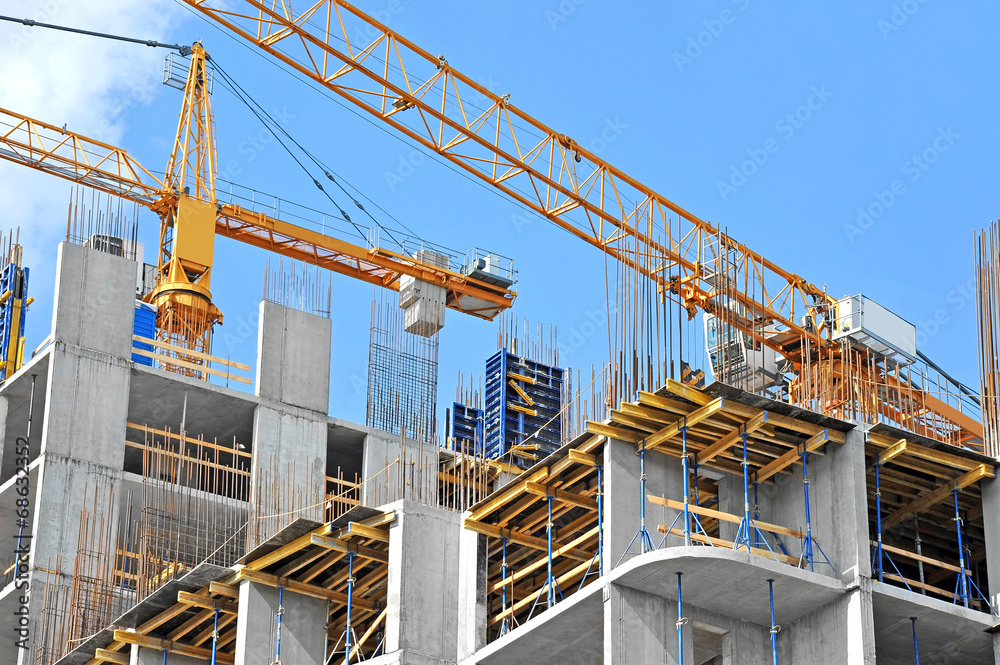
If you’ve driven through Warner Center lately, you’ve probably noticed: it doesn’t look like the sleepy stretch of office parks it once was. Cranes, construction fences, and brand-new towers are signaling something big — and investors, homeowners, and developers are paying attention.

The Kroenke Effect: Big Money, Big Vision

When billionaire Stan Kroenke — yes, the same guy who owns the Rams and SoFi Stadium — started acquiring massive portions of Warner Center real estate, it wasn’t by accident. Kroenke’s company now controls more than 60 acres, including the former Promenade Mall site, the Village at Westfield Topanga, and surrounding parcels.

The plan? A transformative mixed-use urban village featuring residential units, retail, restaurants, hotels, and entertainment — all built around walkability, transit access, and green space. Think SoFi Stadium district meets San Fernando Valley.

Why This Matters for Property Values

Major mixed-use projects like this don’t just change a skyline — they change the economics of an area. With new residential developments, improved infrastructure, and lifestyle amenities rolling in, demand for nearby housing historically spikes.

Expect:

  • Increased property values as the area becomes a regional hub for business and entertainment.
  • Higher rental demand from professionals drawn to the growing job base.
  • A “walkable urban core” in a suburban setting — a rare hybrid that’s increasingly desirable.

Homeowners within a few miles of Warner Center are already sitting on strong equity, and as these projects move from dirt to doors, that trend could accelerate.

Infrastructure & Connectivity Upgrades

The Warner Center 2035 Plan, which sets the framework for this redevelopment, focuses heavily on transit, bike lanes, and pedestrian-friendly streets. The Metro Orange Line (soon to be the G Line) is getting upgrades, and developers are expected to include public plazas and traffic improvements to support higher density.

Translation: less commute pain, more community gain — and more appeal to future buyers looking for that balance of convenience and quality of life.

The Bigger Picture for Woodland Hills

Between Westfield Topanga’s luxury expansion, the upcoming high-rise apartments, and Kroenke’s long-term development push, Woodland Hills is positioning itself as the next premier live-work-play destination in Los Angeles.

If you own property here — or you’re thinking about buying — this is one of those “watch closely” moments. The combination of corporate investment, infrastructure, and urban-planning momentum doesn’t come around often.


Bottom Line:
The Kroenke development is more than construction — it’s a rebrand of Warner Center and, by extension, Woodland Hills. Property owners stand to benefit as this long-term vision takes shape and turns the area into a true destination, not just a ZIP code.

If you’re wondering how these changes could affect your home’s value or investment potential, reach out — I’d be happy to give you a personalized analysis based on current and projected market data.

Anthony Guetzoian
Broker/Owner, CENTURY 21 Valley Properties
📞 818.266.1100
Your Local LA & Ventura County Real Estate Expert

BuyersSellers October 20, 2025

🎃 Will October Haunt the Markets?

October has a reputation — and not just for haunted houses and plastic pumpkins. It’s the month that brought us some of history’s ugliest market crashes: 1929, 1987, 2008… you get the idea. Traders even call it the October Effect, as if the market itself puts on a costume and tries to scare everyone.

But this year, the fear factor isn’t coming from ghosts or ghouls — it’s coming from the Fed, inflation, and a job market that’s starting to lose steam. So, as we creep toward Halloween 2025, the big question is: will investors get tricked, or treated?


👻 The Fed’s Balancing Act: Trick or Treat?

All eyes are on the Federal Reserve’s October 28–29 meeting, where markets are widely expecting a 0.25% rate cut — the first in several months. But this isn’t your classic “pivot and party” moment.

Some Fed officials have hinted they might pause their balance-sheet runoff (QT) or even end it, citing turbulence in short-term funding markets. Others are worried that inflation’s still too sticky to declare victory.

If the Fed cuts but stays hawkish in tone, that’s a trick — the kind that spooks stocks and keeps investors on edge.
If they hint that more cuts are on the table, that’s the treat — markets will likely cheer, even if the candy’s sugar-free.


🕸 Inflation, Jobs, and the Data Fog

Inflation is cooling but not defeated. Consumer prices remain above the Fed’s 2% comfort zone, and with parts of government data collection delayed by the recent shutdown, traders are flying half-blind into the next CPI and jobs reports.

The labor market is also flashing amber. The latest Fed Beige Book shows hiring has slowed across multiple regions, with more employers relying on attrition instead of layoffs. It’s not a collapse, but it’s definitely not the “hot jobs market” narrative of 2022–2023.

If the next jobs report underwhelms, expect volatility to rise — the kind of jump that makes you check your portfolio like you heard a noise in the dark.


🦇 Earnings Season: Enter If You Dare

Earnings season is another dark corridor in this haunted mansion. Big Tech names are under pressure to justify sky-high valuations, especially with the “AI trade” showing early cracks.

A few disappointing reports could easily send shockwaves through the indexes. Wall Street strategists are also watching for weakness in consumer-facing sectors — if spending slows, it’ll confirm the inflation fatigue many households are already feeling.


💀 The Scary Scenarios Lurking Around the Corner

Let’s call out the monsters by name:

  • The Inflation Goblin – CPI surprises higher → Fed hesitates → yields spike → equities tumble.
  • The Jobs Poltergeist – Payrolls disappoint → recession chatter → consumer confidence fades.
  • The Earnings Exorcism – Tech misses → sentiment craters → rotation out of growth.
  • The Data Darkness – Missing or delayed reports keep investors guessing → volatility feeds on uncertainty.

In short: a few bad headlines could turn this October into a full-blown horror flick.


🕯 But Not All Shadows Hide Monsters

There are bright spots amid the fog:

  • Inflation is trending lower overall.
  • The Fed seems prepared to step in if the market gets too jittery.
  • Earnings in defensive and dividend-paying sectors have held up surprisingly well.
  • And history shows October often ends with rallies once early fears fade — the so-called “Halloween effect” that marks the start of the market’s stronger seasonal period.

If the data cooperates and the Fed strikes the right tone, we could see this spooky month end with more treats than tricks.


🎃 Final Word: Keep the Flashlight Handy

Whether October ends with a fright or a sigh of relief, it’s a reminder that markets, like haunted houses, thrive on emotion.

Stay calm. Stay diversified. Don’t let the first creak in the floorboards send you running.

Because when fear rises, opportunity often follows — you just have to be the one holding the flashlight when everyone else runs screaming.


Written by Anthony Guetzoian, Broker/Owner of CENTURY 21 Valley Properties. Anthony brings over 30 years of industry experience helping clients navigate markets with clarity, strategy, and confidence.


🧠 Suggested SEO Tags:

October 2025 market outlook, Federal Reserve rate cut, inflation trends, stock market volatility, spooky October effect, jobs report, investor psychology


🔹LinkedIn Version (Shorter, Engaging Post)

Title: Will October Haunt the Markets? 🎃

October has a spooky track record for investors — think 1929, 1987, 2008. But in 2025, it’s not ghosts we’re worried about. It’s the Fed, inflation, and a job market losing its edge.

Here’s what’s haunting Wall Street right now:

  • The Fed is expected to cut rates by 0.25% later this month, but inflation’s still being stubborn.
  • The job market is cooling, raising fears of an economic slowdown.
  • Earnings season could expose cracks in the AI-driven rally.

Scary? Sure. But remember — not every shadow hides a monster.
If inflation keeps easing and the Fed delivers the right tone, October could end with more treats than tricks.

Markets love to play dress-up this time of year — just make sure your portfolio doesn’t get caught without a costume.


💼 Anthony Guetzoian
Broker/Owner – CENTURY 21 Valley Properties
30+ years guiding LA & Ventura County clients through market highs, lows, and everything in between.

BuyersSellers October 13, 2025

🏠 Insurance Shock: How California Homeowners Are Adjusting (or Not)

If your homeowner’s insurance renewal arrived recently and made you spill your morning coffee, you’re not alone. Across Los Angeles and Ventura Counties, premiums have spiked anywhere from 30% to over 100%, and some carriers have packed up entirely.

So what’s going on — and what can you actually do about it?


🔥 The “Why” Behind the Rate Hikes

California’s perfect storm of wildfire exposure, rebuilding costs, and insurer exits has pushed the market into a crunch. Some carriers are limiting new policies or pulling out altogether, while those that remain are tightening underwriting and passing along the risk in the form of higher premiums.

Translation: if you’re renewing, expect sticker shock. If you’re buying, expect more homework before you close.


🧾 How Homeowners Are Responding

  1. Bundling and Loyalty Plays:
    Many are consolidating auto, home, and umbrella policies under one carrier to snag the last remaining multi-policy discounts.
  2. Shopping Beyond the Big Names:
    Regional and specialty carriers — or policies through the California FAIR Plan — are filling the gaps, though they often come at a higher cost or require secondary coverage.
  3. Reducing Coverage (Carefully):
    Some owners are trimming optional coverages or raising deductibles. Not ideal, but sometimes necessary to keep things affordable.
  4. Mitigation Upgrades:
    Insurers love “defensible space,” ember-resistant vents, and fire-retardant roofing. Even minor upgrades can mean measurable savings — and better insurability.

💡 Buyers Need to Budget Differently Now

It’s no longer enough to estimate insurance as “just another $100 a month.” Savvy buyers are now getting quotes early in escrow to avoid surprises that could throw off loan approvals or debt-to-income ratios.


🏗️ For Sellers: Insurance Can Kill — or Save — a Deal

If your property’s in a high-risk zone, don’t wait until escrow to find out. Get ahead by working with your agent (hey, that’s me) to identify potential insurance hurdles before you list. The goal: eliminate last-minute panic and keep buyers confident in the transaction.


🧭 Looking Ahead

This isn’t a temporary blip. The insurance landscape is reshaping how deals are written, how buyers qualify, and how sellers prepare. The good news? With planning — and a little expert guidance — you can still navigate this market successfully.


📞 Let’s Talk Strategy

If you’re buying or selling in Los Angeles or Ventura County, insurance shouldn’t derail your deal. Let’s talk about how to prepare your property — and your expectations — for this new normal.
Call me directly at 818.266.1100 for a confidential consultation.

BuyersSellers October 9, 2025

The Real Difference Between Successful and Unsuccessful Real Estate Agents

In real estate, everyone starts with a license — but not everyone builds a career. After 30+ years in this industry, I’ve seen talented agents rise fast… and others burn out just as quickly. The difference? It’s not luck, looks, or even leads. It’s mindset, consistency, and character.

Let’s talk about what really separates the successful agents from the ones still wondering why they’re not getting results.


1. Mindset Over Market

The most successful agents don’t complain about the market — they adapt to it. Whether rates are high or low, inventory is tight or overflowing, they find a way to create opportunity.

Unsuccessful agents spend their energy talking about how “bad” things are instead of asking how they can pivot. Real pros understand that the market doesn’t determine success — execution does.


2. Consistency is King

If there’s one common thread among every top producer I’ve met, it’s this: they show up every single day.
They make the calls, they follow up, they network, they study their market. They don’t wait for business — they create it.

On the flip side, unsuccessful agents are inconsistent. They work hard when business is booming, but go radio silent the moment things slow down. Success doesn’t come from bursts of effort; it comes from daily discipline.


3. Communication and Follow-Through

This one’s non-negotiable. Real estate moves fast, and so should your communication.
Successful agents stay ahead of their clients’ questions and problems — they communicate clearly, honestly, and often.

Unsuccessful agents avoid tough conversations, delay responses, or disappear when things get complicated. But clients don’t forget who kept them informed and who left them hanging.


4. Value Over Vanity

Let’s be honest — we’re in an image-driven industry. The photos, the cars, the Instagram posts — it’s all part of the package. But successful agents know that substance beats style every time.

They measure success in client satisfaction, referrals, and results — not followers or flashy marketing.
Unsuccessful agents focus on looking successful instead of actually being successful.


5. Client-Centric, Not Commission-Centric

Here’s the truth: if your focus is on the check, you’ll never build a lasting business.

Successful agents put their clients first — even if it means advising them not to buy or sell. They understand that trust builds relationships, and relationships build a career.

Unsuccessful agents chase the next deal, forgetting that short-term gain often costs long-term credibility.


6. Education and Evolution

The market changes. Technology changes. Contracts change.
The top agents never stop learning — they adapt, evolve, and stay current. They’re always sharpening their skills and expanding their knowledge.

The others? They rely on what worked “back in the day.” The problem is, the day changed.


Final Thoughts

Success in real estate doesn’t come from luck or leads — it comes from discipline, adaptability, and integrity. It’s about doing the right thing, even when no one’s watching, and showing up even when no one’s calling.

At the end of the day, the difference between a successful and unsuccessful agent isn’t talent — it’s tenacity.

In this business, you don’t wait for success — you earn it, one conversation, one client, and one commitment at a time.


What do you think makes a truly successful agent?
I’d love to hear your thoughts.


Anthony Guetzoian
Broker/Owner, Century 21 Valley Properties
📞 818.266.1100 | Local Expert in the Los Angeles & Ventura County Corridor

BuyersSellers October 6, 2025

Commercial Real Estate in 2025: Turning the Corner or Just Catching Its Breath?


The commercial real estate (CRE) sector has been through the wringer these past few years—pandemic disruptions, rate hikes, hybrid work, and the great office reckoning. Now, as we move through 2025, the big question is: are we on the road to recovery, or just pausing before the next challenge?

The State of the Market: A Cautious Balancing Act

Nationally, commercial real estate is in a transitional phase. Office vacancies remain high, industrial is still outperforming (though slowing from its pandemic-era boom), and multifamily is stabilizing after a flood of new supply. Retail continues to quietly reinvent itself—especially in mixed-use and experiential formats.

The overarching theme? Cautious optimism.
After a few volatile years, investors are testing the waters again—but with far more scrutiny. Higher borrowing costs and tighter lending standards are forcing deals to pencil out on fundamentals, not hype.

  • Office: National vacancy rates hover near record highs (around 19%), especially for older Class B and C buildings. Tenants are favoring premium, amenity-rich spaces and flexible lease terms, leaving outdated properties struggling.
  • Industrial: Still the market’s golden child, driven by e-commerce, logistics, and data demand. Vacancy remains historically low in many metros, though new supply is starting to level things out.
  • Multifamily: After years of steep rent growth, the sector has hit a plateau. With a wave of new construction hitting the market, some softness is expected in the short term—but long-term fundamentals remain strong.
  • Retail: The survivors of the e-commerce revolution are thriving. Grocery-anchored centers, lifestyle destinations, and mixed-use environments are seeing solid traffic and renewed investor interest.

The Capital Markets: High Rates, Low Leverage

The biggest drag on CRE performance continues to be the cost of money.
The Federal Reserve’s “higher for longer” stance has kept cap rates elevated and transaction volumes subdued. Refinancing older loans—especially those originated in the low-rate era—has become a headache for many owners. Still, cash buyers and well-capitalized investors are stepping in to take advantage of price resets.

We’re seeing a clear flight to quality: newer, well-located assets with strong tenants continue to attract capital, while underperforming properties are being repriced—sometimes dramatically.

Bright Spots: Innovation, Conversion, and Alternative Assets

Some of the most exciting developments in CRE aren’t about new buildings at all—they’re about new uses for old space.
Office-to-residential conversions are finally gaining traction, aided by local incentives and zoning flexibility. Meanwhile, investors are diversifying into alternative sectors like data centers, life sciences, senior housing, and cold storage, all of which are benefiting from long-term demographic and technological trends.

Even within traditional property types, sustainability and ESG compliance are no longer optional. Green certifications, efficient design, and climate resilience are becoming key drivers of tenant demand and financing eligibility.

The Forecast: 2025 and Beyond

Looking ahead, analysts expect a slow but steady rebound across most commercial real estate sectors:

  • Cap rates are expected to stabilize as interest rates plateau.
  • Investment activity could rise 8–10% nationally as investor confidence improves.
  • Industrial and data centers should maintain healthy rent growth.
  • Office may see further price declines before bottoming out in 2026.
  • Multifamily and retail are expected to normalize, with modest rent and occupancy growth.

In short, we’re entering an age of recalibration—where smart capital, disciplined underwriting, and creative repositioning separate the winners from the rest.

The Bottom Line

Commercial real estate in 2025 isn’t collapsing—it’s evolving.
Investors who adapt quickly to new market realities, embrace technology, and focus on quality assets in resilient markets will come out ahead. Whether you’re buying, selling, developing, or repositioning, the next phase of CRE will reward those who think long term and act decisively.


Want insights like this tailored to your local market or investment goals? Contact Anthony Guetzoian, Broker/Owner of Century 21 Valley Properties, at (818) 266-1100 for a private consultation.

BuyersSellers October 3, 2025

Looking Ahead: What Will Shape the LA & Ventura Housing Market in 2026?

As 2025 winds down, many buyers and sellers across Los Angeles and Ventura Counties are asking the same question: what will the housing market look like in 2026? While nobody has a crystal ball, trends are already emerging that give us a clear direction of where the market may head.

1. Mortgage Rates Could Finally Stabilize
After years of volatility, industry experts expect interest rates to level out in 2026. If stabilization holds, buyers who were hesitant in 2025 may re-enter the market, creating stronger demand across the LA and Ventura corridor.

2. Inventory Will Still Be Tight
Even with new construction projects, our region continues to face limited housing supply. In popular communities like Calabasas, Westlake Village, and Thousand Oaks, competition will likely remain strong. Sellers who price correctly will continue to have an advantage.

3. Lifestyle and Location Will Drive Choices
More buyers are prioritizing lifestyle—walkable neighborhoods, proximity to work-from-home amenities, and access to outdoor spaces. Ventura County, with its balance of affordability and coastal living, is becoming increasingly attractive for buyers leaving the LA core.

4. Sustainable Homes Are Gaining Value
Expect “green” features—solar panels, EV charging stations, and energy-efficient designs—to continue adding resale value. Luxury buyers in Hidden Hills, Agoura, and West Hills are leading the demand for eco-smart estates.

5. Insurance Costs Will Remain a Factor
Rising home insurance premiums, especially in hillside and high-fire-risk areas, will shape buyer decisions. Sellers who can show proactive mitigation efforts (like hardscape, fire-resistant roofing, and cleared defensible space) will stand out.

6. Tech-Savvy Buyers Will Dominate
From virtual tours to AI-driven property searches, 2026 will see an even greater reliance on technology in real estate. Buyers expect instant access to data, transparency in transactions, and a seamless digital experience. Agents who embrace this shift will deliver the most value.

7. Affordability Will Push Boundaries
As affordability challenges persist in the LA core, buyers will continue expanding their search into the Ventura corridor. Communities like Camarillo and Simi Valley may see increased demand, especially among first-time buyers and families looking for more space.


Bottom Line
The 2026 housing market in Los Angeles and Ventura Counties will be defined by stabilized rates, persistent inventory challenges, and lifestyle-driven decision-making. Sustainable homes and tech-forward real estate practices will shape the way we buy and sell. Sellers who prepare strategically and buyers who stay informed will both find opportunities in this evolving market.

If you’re considering buying or selling in 2026, now is the time to start planning. With over 30 years of experience helping clients succeed in the LA and Ventura market, I’m here to guide you every step of the way. Call me directly at 818.266.1100 for a consultation.

— Anthony Guetzoian
Broker/Owner, Century 21 Valley Properties

BuyersSellers October 1, 2025

2025 U.S. Government Shutdown: What It Means for Workers, Families, and the Economy

At 12:01 a.m. on October 1, 2025, the U.S. federal government officially shut down after Congress failed to pass a funding bill. This marks the first shutdown since the historic 35-day standoff of 2018–2019. The impasse stems from disputes over healthcare subsidies, Medicaid cuts, and spending priorities, leaving millions of Americans uncertain about the days and weeks ahead.

While politicians battle over budgets, the shutdown has real-world consequences for federal workers, families, travelers, small businesses, and the broader economy. Here’s a breakdown of what’s happening, who’s affected, and what to expect next.


Why the 2025 Shutdown Happened

The Senate rejected a short-term funding bill in a 55–45 vote, with Democrats blocking Republican proposals to cut healthcare programs and Republicans rejecting Democratic efforts to extend Affordable Care Act (ACA) protections.

President Trump has framed the shutdown as an opportunity for fiscal reform, while Democrats accuse Republicans of targeting low-income Americans and essential services. With neither side backing down, the shutdown’s length remains uncertain.


Impact on Federal Workers and the Military

Federal employees and contractors are once again caught in the middle.

  • Furloughed Workers (750K–800K): Placed on unpaid leave, barred from working, and reliant on savings or unemployment benefits.
  • Essential Employees (~1M): TSA, FAA, and other frontline staff must continue working without immediate pay, risking burnout and service delays.
  • Military & Veterans (2M personnel): Active-duty troops are still paid through prior-year funds, but Pentagon civilian staff face furloughs. Some veterans’ services, such as hotlines and benefits processing, are disrupted.

Bloomberg Economics estimates unemployment could rise by 0.3% if the shutdown lasts three weeks.


Public Services and Programs: What’s Open, What’s Not

Not all government programs stop during a shutdown. Mandatory programs like Social Security, Medicare, and Medicaid continue, but many discretionary services are paused. Here’s how it breaks down:

  • Social Security & Medicare: Payments continue, but new applications and verifications are delayed.
  • SNAP/WIC (Food Assistance): Funded through October, but risks disruption if the shutdown extends.
  • National Parks & Museums: Trails remain open but unstaffed; visitor centers closed. Tourism losses could reach $1.5B per week.
  • Air Travel: TSA and FAA staff remain on duty, but expect longer lines and potential delays due to limited support staff.
  • Healthcare & Research: FDA food inspections and new drug approvals are halted; NIH suspends new patient admissions.
  • Immigration & Courts: Essential enforcement continues, but civil and immigration court hearings are postponed.
  • IRS, Passports & Loans: Refunds delayed, no new small business/student loans, and visa/passport processing stalls.
  • Economic Data: Critical reports, including jobs and inflation numbers, are paused—adding uncertainty to financial markets.

Broader Economic and Social Consequences

Shutdowns don’t just disrupt government—they ripple across the entire economy.

  • GDP & Markets: Each week could cut 0.1–0.5% off GDP growth, costing $1.5–$6B in lost activity. Stock volatility is expected, with gold and cryptocurrency gaining as “safe havens.”
  • Local Economies: Communities near federal hubs, especially Washington D.C., feel the immediate hit as furloughed workers reduce spending. Tourism-heavy regions also suffer.
  • Credit Ratings & Trust: Prolonged shutdowns risk another U.S. credit rating downgrade, erode public trust in government, and slow disaster relief and environmental protections.

What Happens Next?

Historically, U.S. government shutdowns last an average of 8–10 days, but this one could extend longer without bipartisan compromise. Lawmakers must eventually pass a continuing resolution that clears the Senate’s 60-vote threshold. Until then, millions of Americans will feel the strain of delayed paychecks, closed services, and mounting economic uncertainty.


Final Takeaway

The 2025 U.S. government shutdown is more than a political standoff—it’s a disruption that impacts everyday life, from air travel and food safety to small business loans and family budgets. Whether you’re a federal employee, a business owner, or simply planning a trip, staying informed is key.

For updates, check resources like USA.gov or your congressional representative’s official site.


👉 Question: How is the shutdown affecting you or your business? Share your experience below—I’d love to hear your perspective.

BuyersSellers September 29, 2025

Sustainable Luxury Living: The Future of High-End Real Estate in Los Angeles & Ventura County

Luxury homes in Los Angeles and Ventura County are evolving. It’s no longer enough for a property to boast breathtaking views, resort-style pools, or a wine cellar fit for Napa Valley. Today’s affluent buyers want more: eco-friendly estates that blend sustainability with sophistication.

In 2025, “sustainable luxury living” is more than a trend — it’s the new gold standard for high-end real estate in Southern California.


🌍 Why Sustainability Matters in Luxury Homes

For luxury buyers, sustainability isn’t about cutting costs. It’s about future-proofing real estate investments while embracing healthier, eco-conscious living. Homes that integrate green design and energy-efficient features consistently command higher resale values, making them a smart choice for long-term wealth preservation.

In the Los Angeles and Ventura luxury real estate market, the message is clear: green is the new glamorous.


✨ Eco-Friendly Features Defining Luxury Estates

  • Solar Integration & Energy Storage
    Rooftop solar panels paired with Tesla Powerwalls or similar battery systems ensure these high-end properties are both stylish and sustainable.
  • Smart Water Conservation
    From drought-resistant landscaping in Calabasas to advanced irrigation systems in Malibu estates, luxury buyers demand water-smart solutions in Southern California.
  • Sustainable Materials
    Reclaimed wood, eco-friendly stone, and low-VOC paints add both elegance and environmental responsibility to fine homes and estates.
  • Smart Energy Efficiency
    Automated climate control, advanced insulation, and smart glass windows reduce energy use while enhancing the comfort of high-value properties.
  • Wellness-Oriented Design
    Air and water purification systems, wellness suites, and biophilic design create healthier environments in estates across Westlake Village, Thousand Oaks, and beyond.

📈 Market Advantage in Los Angeles & Ventura Luxury Real Estate

High-net-worth buyers are increasingly prioritizing sustainable luxury real estate in Los Angeles and Ventura County. Sellers who invest in eco-friendly upgrades gain a competitive edge, attracting international buyers, tech leaders, and eco-conscious investors who see sustainable homes as the future of fine living.


💡 Final Take

Sustainable luxury living is no longer optional — it’s expected. Whether it’s a hillside mansion in Calabasas, an oceanfront estate in Malibu, or a private retreat in Westlake Village, the most desirable homes in 2025 are green, smart, and wellness-driven.

If you’re ready to buy or sell a luxury home in Los Angeles or Ventura County, let’s talk about what sustainable features add the most value in today’s market.

📞 Contact Anthony Guetzoian, Broker/Owner of Century 21 Valley Properties, at 818.266.1100 for a private consultation with a local expert who’s been helping luxury buyers and sellers succeed for over 30 years.

BuyersSellers September 26, 2025

How AI is Transforming Real Estate: Smart Technology Meets Local Expertise

Would you trust AI to predict your next dream home? Artificial Intelligence is no longer just a buzzword—it’s transforming real estate in Los Angeles and Ventura Counties. From analyzing market trends to providing personalized property recommendations, AI is making buying and selling faster, smarter, and more efficient. But even the best technology can’t replace the expertise of a seasoned broker.

AI’s Role in Real Estate:

  • Fast Market Analysis: AI scans thousands of listings, sales data, and neighborhood stats in seconds, providing up-to-date market insights for buyers and sellers.
  • Predictive Pricing: Advanced algorithms forecast market trends, helping sellers price strategically and buyers make informed offers.
  • Personalized Property Recommendations: AI can tailor home suggestions based on commute times, school preferences, lifestyle, and design tastes.

Benefits for Buyers and Sellers:

  • Save time by filtering out irrelevant listings.
  • Optimize pricing strategies for sellers.
  • Streamline the home buying and selling process.

Where AI Falls Short:
Technology can’t replace negotiation skills, emotional intelligence, and hyper-local knowledge. An experienced broker knows the nuances of neighborhoods, the quality of schools, and the lifestyle each community offers.

Final Takeaway:
AI is a powerful tool in the real estate industry, but the combination of smart technology and human expertise delivers the best results. As a local expert with over 30 years of experience in Los Angeles and Ventura Counties, I leverage cutting-edge AI tools while providing personalized guidance to help clients achieve their real estate goals.

Want to see how AI can estimate your home’s value compared to expert market insight? Call me at 818.266.1100 for a free, personalized market analysis.

BuyersSellers September 24, 2025

Compass–Anywhere Merger: What It Means for Clients, Agents, and the Future of Real Estate

On September 22, 2025, Compass Inc. (NYSE: COMP) announced it will acquire Anywhere Real Estate Inc. (NYSE: HOUS) in a $1.6 billion all-stock deal. Anywhere shareholders will receive 1.436 Compass shares per share (valued at $13.01), and the combined company will carry an enterprise value of roughly $10 billion, including $2.6 billion in debt.

This merger creates the largest U.S. residential real estate brokerage by sales volume, with 340,000 agents in 120 countries, handling over 1.2 million transactions annually—capturing nearly 18% of the U.S. market share. The deal is slated to close in the second half of 2026, pending shareholder approval and regulatory review, including Department of Justice antitrust scrutiny.

In short: this is the most significant consolidation in real estate since the NAR settlement reshaped commission structures—and it could redefine how buyers, sellers, and agents interact with the market.


What This Means for Buyers and Sellers

The Upside

  • Expanded Services: A unified platform offering mortgage, title, relocation, rentals, and international referrals makes transactions smoother, especially for clients juggling multiple services or cross-border needs.
  • Access to More Homes: Buyers may benefit from Compass’s expanded private listing network, giving early access to off-market opportunities.

The Risks

  • Less Competition, Higher Costs: With so much market share, the combined brokerage could wield pricing power—raising concerns about bundled fees and commission costs.
  • Transparency Issues: A shift toward private listings could reduce open-market competition, impacting sellers’ ability to maximize exposure.

Bottom line: convenience and efficiency for some, but potential trade-offs in cost and transparency for others.


What This Means for Realtors and Agents

The Upside

  • Technology Boost: Agents gain access to Compass’s AI-driven CRM, marketing tools, and streamlined transaction platform, all of which can enhance productivity.
  • Brand Stability: Compass has promised to preserve iconic franchises like Sotheby’s International Realty and Coldwell Banker, allowing agents to keep their brand identity while leveraging bigger tech.
  • Recruiting Edge for Independents: Boutique firms could benefit if agents leave large corporate brokerages in search of flexibility and culture.

The Challenges

  • Integration Pains: Consolidation often means office closures, staff cuts, and retraining. Agents may see commission splits standardized over time.
  • MLS and Power Dynamics: With increased influence over data and policy, Compass could accelerate private/off-MLS listings, altering traditional cooperative structures.

Agents who thrive on scale and technology will see opportunities, while those prioritizing independence may seek alternatives.


The Future Outlook

After closing in 2026, the Compass–Anywhere merger could spark:

  • A Tech-Driven Industry Shift: Expect heavier reliance on AI, private listings, and bundled ecosystems—challenging MLSs and even Zillow.
  • More Consolidation: Other brokerages may merge to keep pace, while independents form alliances to stay competitive.
  • Regulatory Battles: DOJ and antitrust decisions will determine whether this merger accelerates innovation—or creates monopolistic risk.

Final Takeaway

The Compass–Anywhere merger signals the “survival of the biggest” in real estate. It represents efficiency, scale, and innovation—but also raises concerns about competition, transparency, and agent independence.

For clients, the win lies in convenience—if fees remain fair. For agents, it’s access to world-class tools and networks—if they can adapt to a corporate, tech-driven ecosystem. The rest of the industry? It must choose: consolidate, specialize, or risk being left behind.

One thing is clear: this merger will reshape real estate as we know it.


✅ What do you think—will this deal benefit consumers, or is it a step toward monopoly power?